The Cousin Who Opened the Door Home

By Monique Norington Joseph

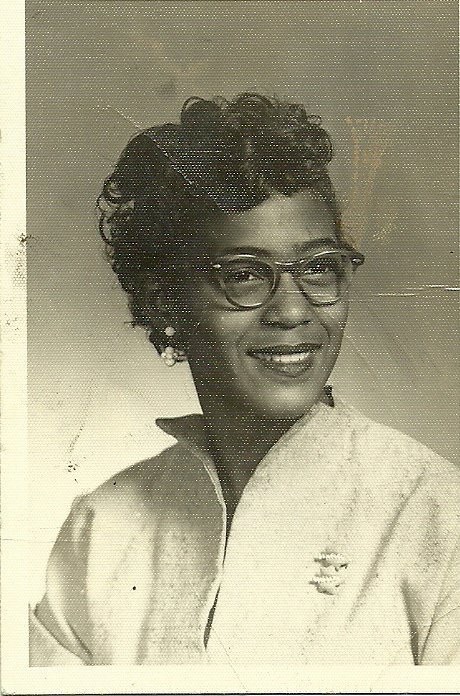
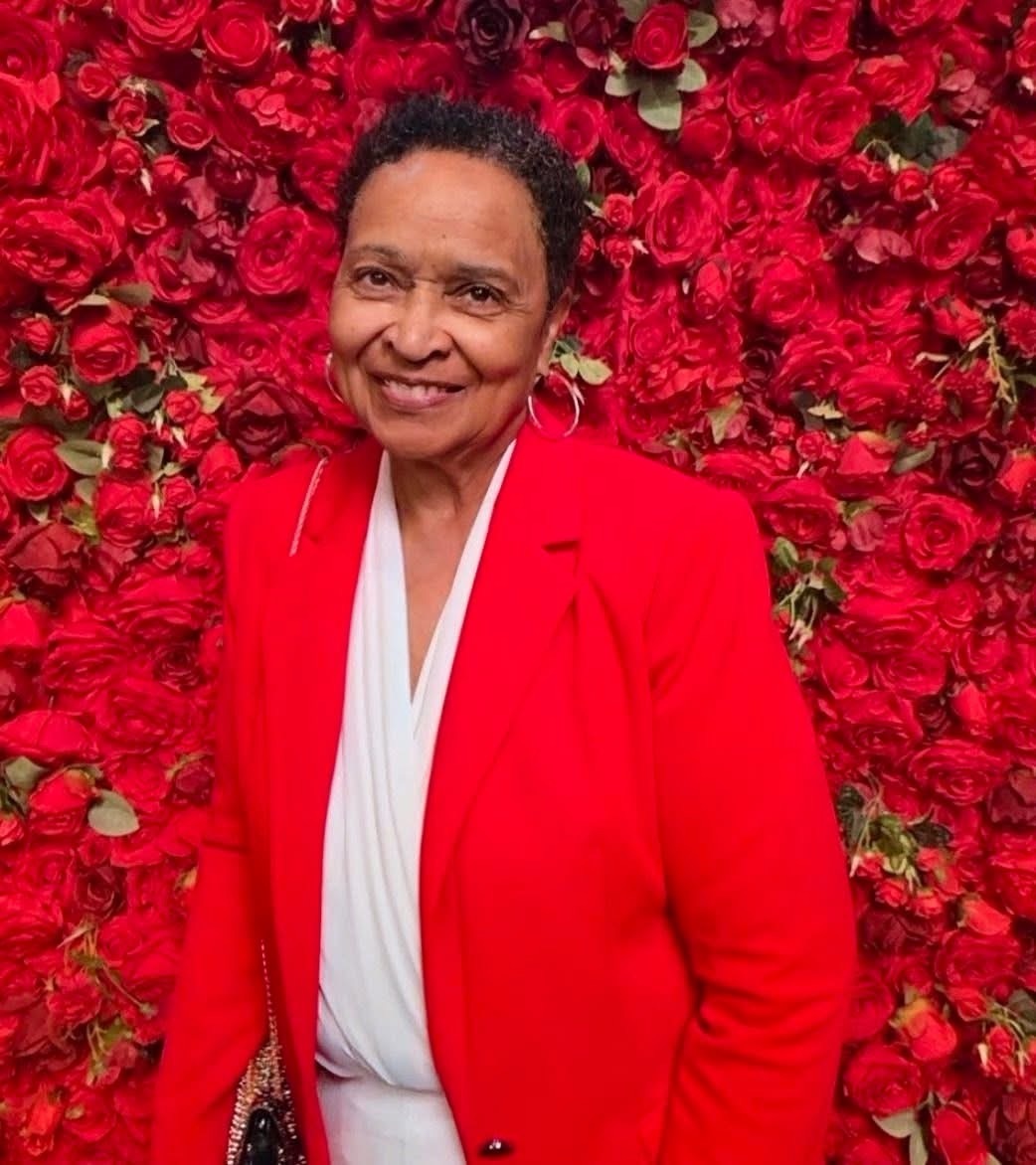
Last week, I learned about the passing of my cousin, Frances Byrd.

Even writing those words feels strange.

Because although we didn’t grow up together, it never felt like we were meeting for the first time.

It felt like coming home.

In 2018, after years of researching my family history, I received a message from a another cousin named Warin.

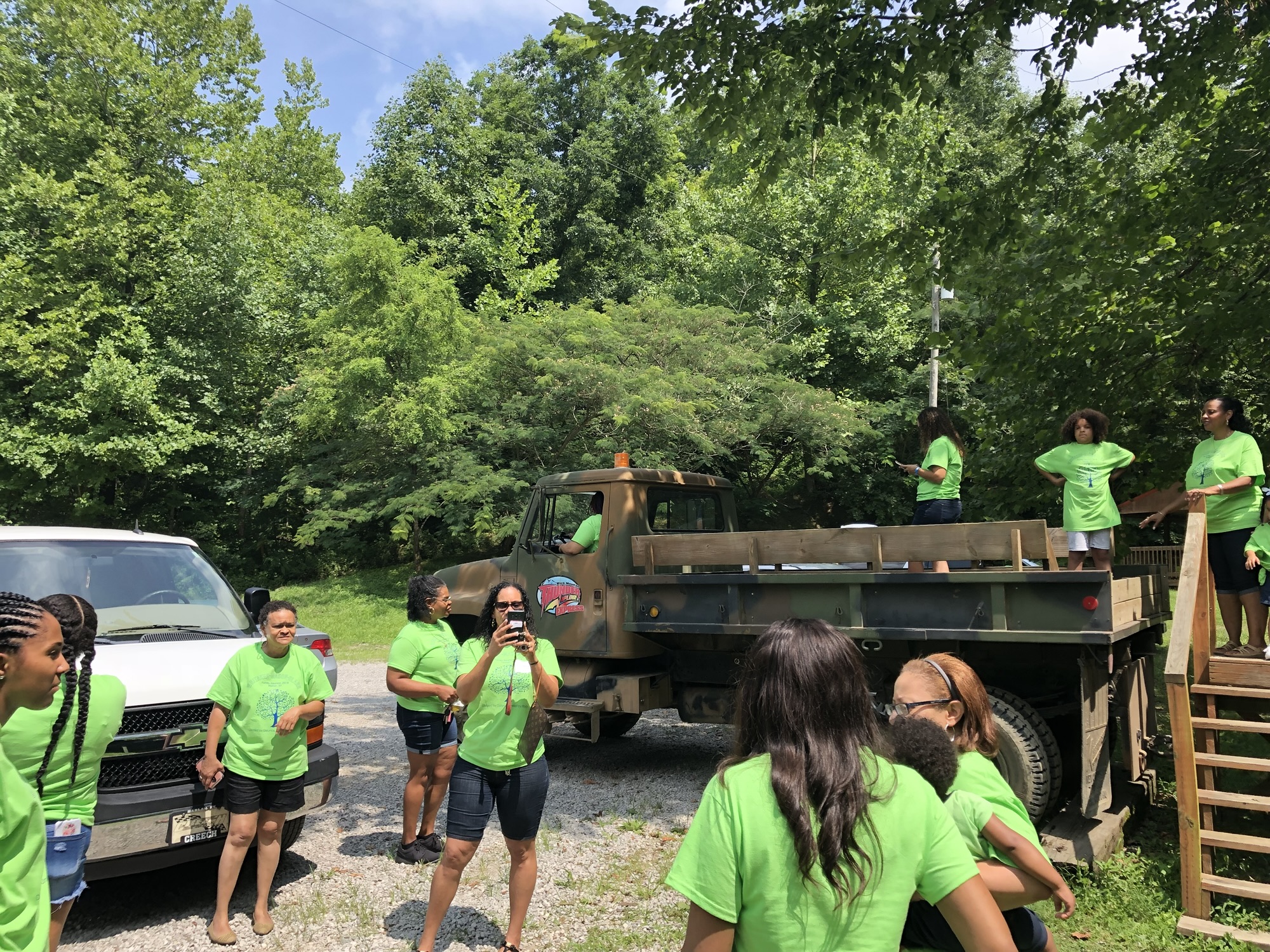
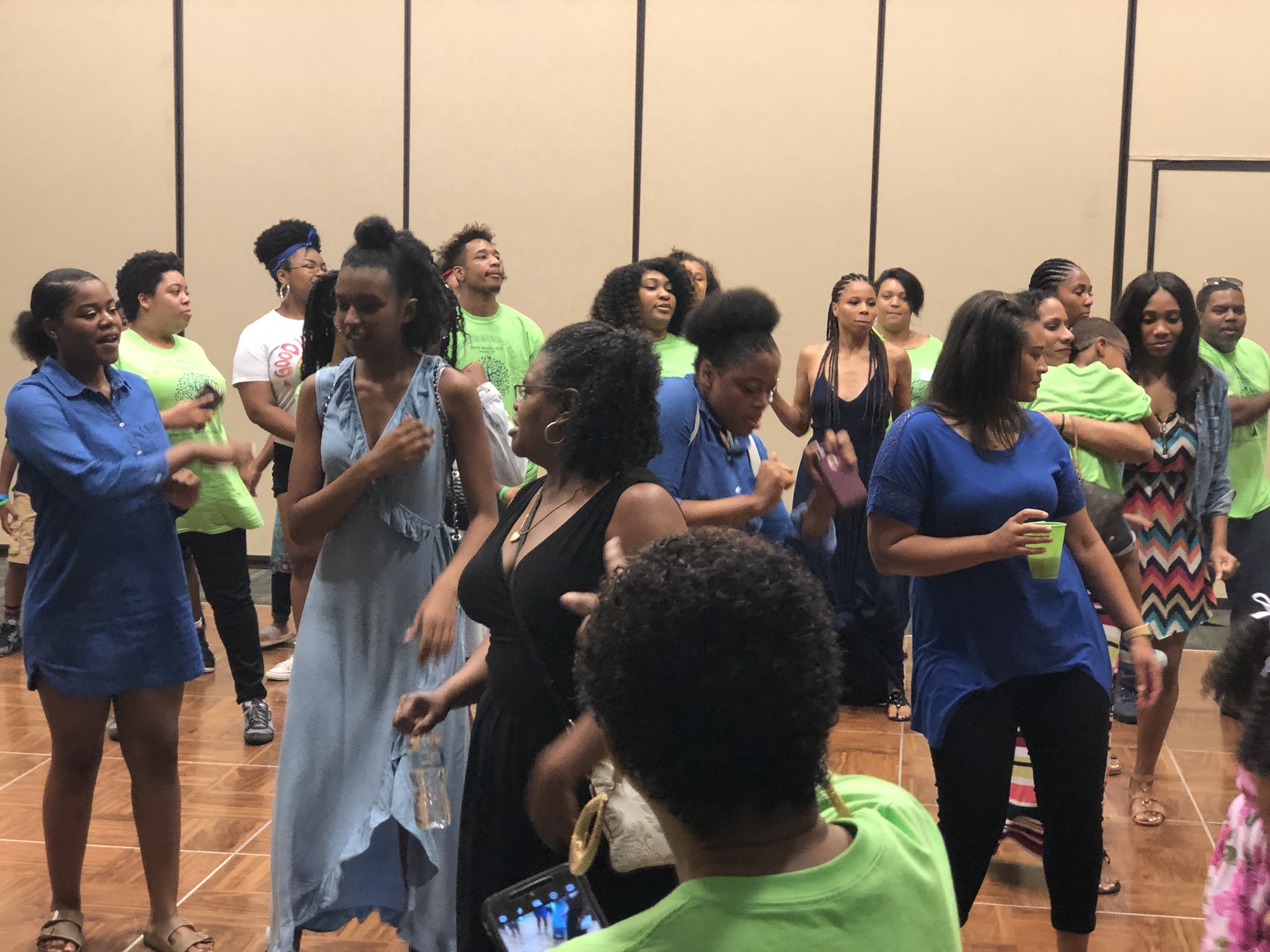
He had found me through our shared genealogy and wanted me to know that our family was gathering for a reunion in Harlan County, Kentucky.

It would be my first opportunity to meet the descendants of my second great-grandmother, Eliza Whittaker.

I was excited.

And if I’m honest…

I was terrified.

What if they didn’t accept me?

What if I didn’t belong?

What if I had spent years searching for family only to discover I was still an outsider?

So before I booked my flight, I reached out to one person.

Frances.

She welcomed me before we had ever met.

She answered my questions.

She laughed with me.

She made me feel like there was already a place waiting for me.

Years later, we would joke that she was the family’s little “spy.”

I teased her that she was reporting back to everyone else before I arrived.

“Tell me the truth,” I’d say. “You’re checking me out for the family, aren’t you?”

She would laugh.

That was Frances.

She had a way of making you feel comfortable.

She had a warmth that erased years of separation.

When the day finally came, I flew into Nashville.

Frances picked me up at the airport.

Then we began the drive to Harlan, Kentucky.

Looking back now, I realize that drive changed my life forever.

Somewhere between Nashville and the winding roads of eastern Kentucky, I stopped feeling like a researcher.

I became family.

We talked for hours.

About people.

About places.

About stories.

About names I had spent years reading on paper but had never heard spoken aloud.

The mountains grew taller as we drove.

And with every mile, I felt like I was getting closer—not just to Harlan County—but to myself.

By the time we arrived, I wasn’t walking into a reunion full of strangers.

I was walking into family.

That weekend changed everything.

It gave faces to names.

Laughter to old photographs.

Voices to census records.

It transformed genealogy from research into relationship.

And Frances was the first person to hand me that gift.

Last week, that beautiful soul left this world.

But what she gave me will remain for the rest of my life.

She reminded me that family isn’t only discovered through DNA.

Sometimes it’s discovered through kindness.

Through a welcoming smile.

Through someone who opens a door and says, “Come on in. You belong here.”

As I’ve reflected on losing Frances, I’ve realized something important.

We spend so much time searching for our ancestors that we sometimes forget to cherish the relatives who are still here.

Our grandparents.

Our great-aunts.

Our uncles.

Our older cousins.

They are living history.

They know the stories no record ever captured.

They remember the nicknames, the family jokes, the recipes, the heartbreaks, and the triumphs.

And one day…

Those stories leave with them.

If reading this stirs something in you, don’t ignore it.

Call your grandmother.

Visit your great-aunt.

Ask your uncle about his childhood.

Reach out to the cousin you’ve always meant to know better.

Don’t wait.

Because one conversation can change your life.

Mine did.

It began with an email from Warin.

It became a phone call with Frances.

It led to a flight into Nashville.

A drive through the Appalachian Mountains.

And a family reunion that forever changed the course of my life.

As I prepare to release This Well Runs Deep, Frances will have her own place within its pages.

Because she wasn’t simply part of my family tree.

She became part of my journey.

Frances, thank you for opening the door.

Thank you for making a stranger feel like family.

Thank you for reminding me that home isn’t always a place.

Sometimes…

Home is a person.

Rest well, cousin.

I’ll keep telling our story.

Happy Birthday, America. Today, Call Your Grandmother or the Elder in the family!

By Monique Norington Joseph

This Fourth of July feels different.

Like millions of Americans, I’ll watch fireworks, spend time with family, and celebrate another birthday of this remarkable nation.

But this year…

I’ll also be thinking about my fifth great-grandfather, Hawkins “Hawk” Bowman.

Hawk was born around 1790.

Just fourteen years after the signing of the Declaration of Independence.

Just three years after the United States Constitution was ratified.

Think about that for a moment.

America was still trying to figure out who she was.

The nation was young.

Hopeful.

Imperfect.

Still defining freedom.

Still wrestling with identity.

Still becoming.

And so was my family.

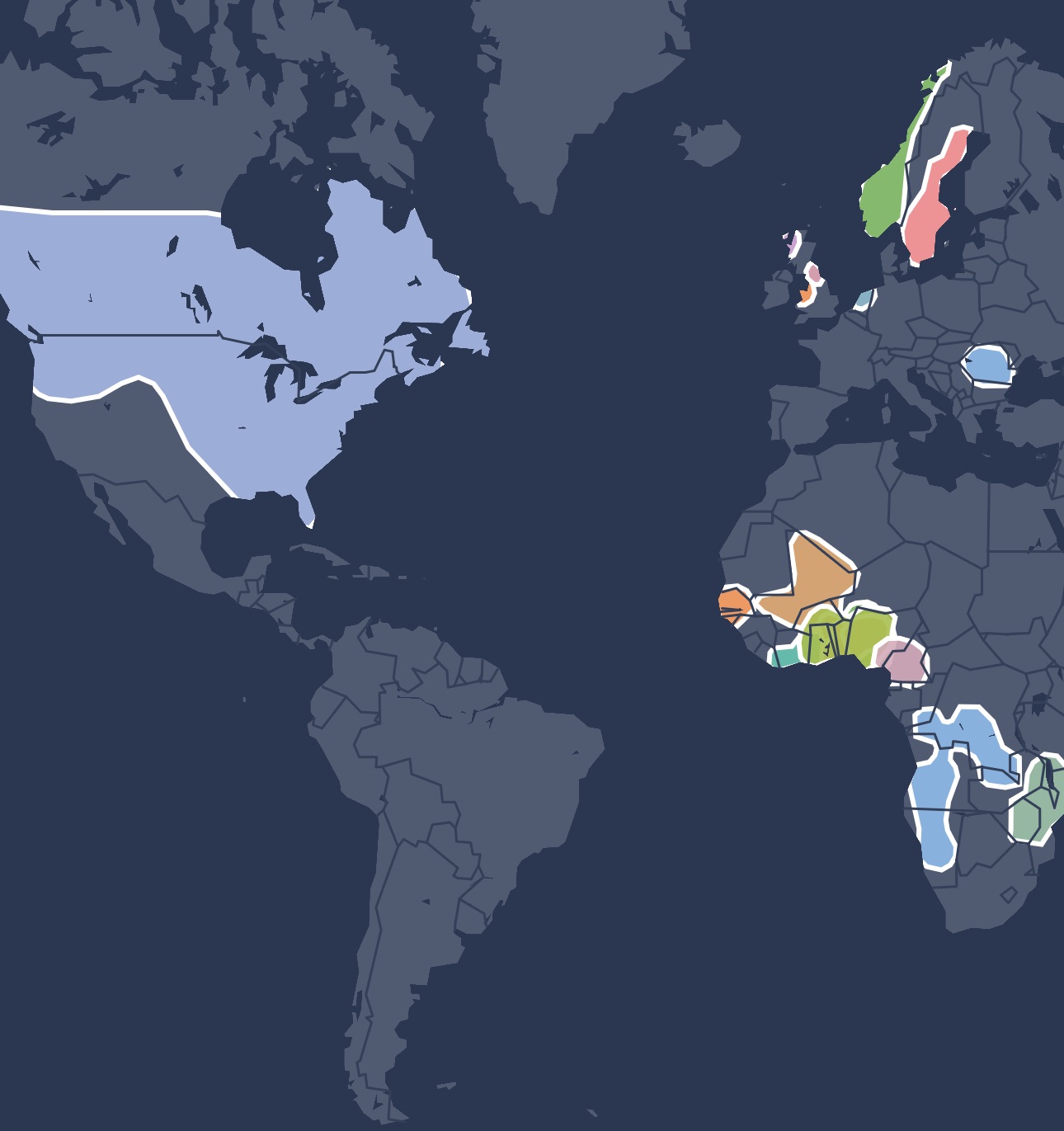
For the last twelve years, I’ve immersed myself in genealogy, trying to understand the people whose lives eventually made mine possible.

What began with a DNA test became thousands of hours spent reading census records, military documents, land deeds, church records, Cherokee applications, and faded family photographs.

It became phone calls with cousins I had never met.

Road trips through Appalachia.

Family reunions.

Conversations with elders.

And somewhere along the way, I realized something.

My family’s story isn’t separate from the American story.

It is the American story.

Like so many families, ours was shaped by the mountains of Appalachia, by Native homelands, by African resilience, by European settlement, by hope, hardship, perseverance, and love.

We are Appalachian.

We are Indigenous.

We are African.

We are European.

Our family, like America itself, cannot be understood through just one story.

It is many stories woven together.

For generations, my ancestors simply tried to build a life.

They raised children.

Worked the land.

Buried loved ones.

Adapted when the world around them changed.

They didn’t know someone would one day search for them.

They didn’t know their names would be spoken over two hundred years later.

They had no idea their ordinary lives would become an extraordinary legacy.

As much as I admire Hawk Bowman, this journey has taught me that our family wasn’t carried by one man.

It was carried by women.

Women like Eliza.

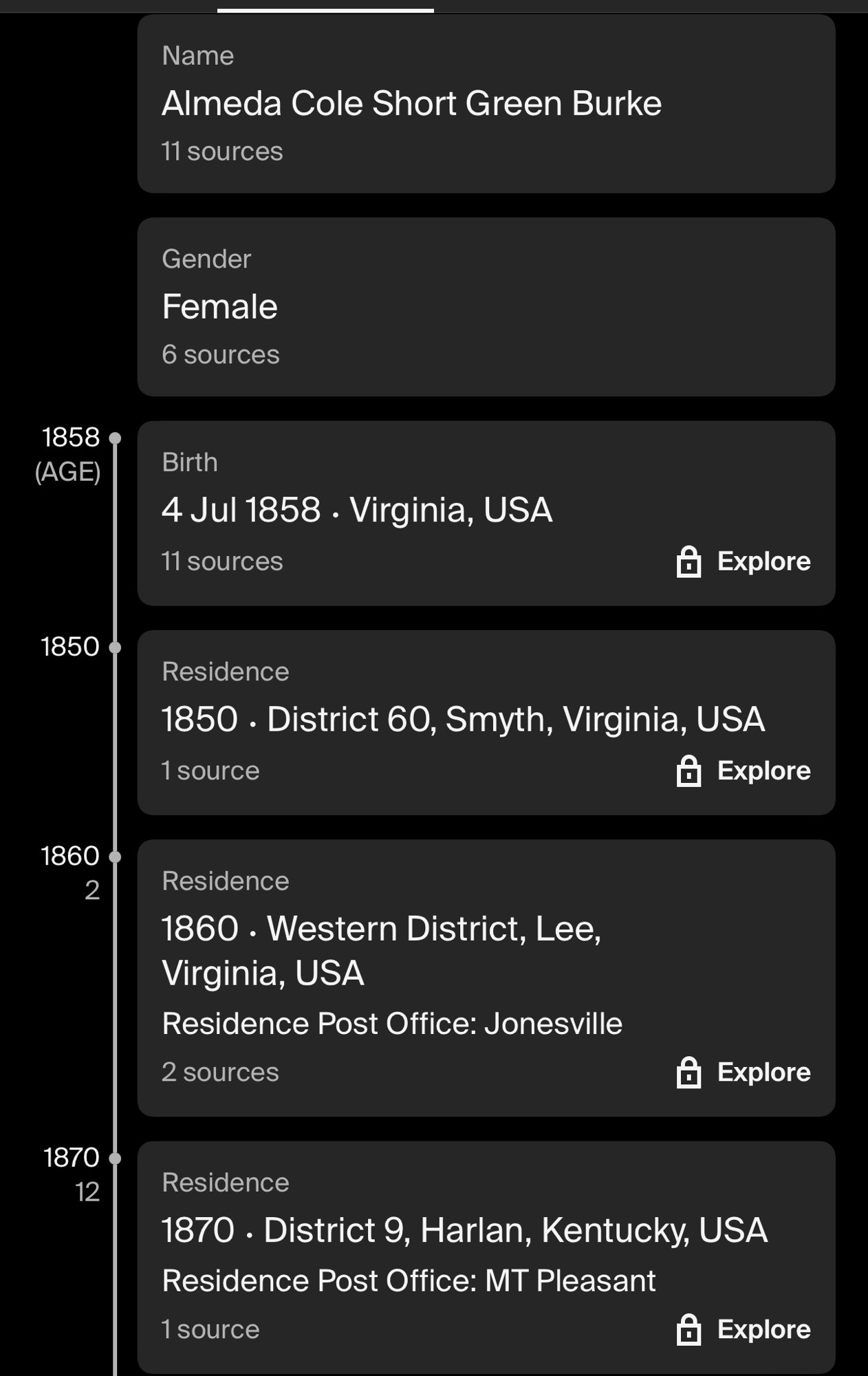
Almeda.

Miss Mary.

Lucy.

Women whose names rarely appeared in history books but whose strength shaped generations.

They were the keepers of recipes.

The keepers of family Bibles.

The keepers of stories.

The ones who remembered who belonged to whom.

The ones who whispered names so they wouldn’t be forgotten.

Long before there were genealogy websites…

There was Grandma.

There was Auntie.

There was a great-grandmother sitting on a front porch who knew every branch of the family tree by heart.

Today, many of those voices are still with us.

Many of us still have a grandmother.

A great-aunt.

An uncle.

An elder cousin.

Someone who remembers.

Someone whose stories have never been written down.

And yet, we wait.

We tell ourselves we’ll ask another day.

We’ll visit next month.

We’ll record those stories someday.

But someday has a way of becoming too late.

If these last twelve years have taught me anything, it is this:

Every elder is a living library.

Every family gathering is an archive.

Every conversation is history waiting to be preserved.

This Fourth of July, while we celebrate the birth of our country, I hope we also celebrate the people who built our families.

Because whether your ancestors arrived on the Mayflower…

Whether they were forced here in chains…

Whether they walked these lands long before there was a United States…

Whether they came seeking opportunity generations later…

Their blood, their sweat, their sacrifices, and their dreams helped shape this country.

Our stories belong here.

Our families belong here.

We belong here.

America’s story is not complete without all of us.

So today…

Before the fireworks begin…

Call your grandmother.

Visit your great-aunt.

Sit beside your grandfather.

Ask your uncle where your family came from.

Write down the names.

Record the stories.

Save the photographs.

Because one day, someone in your family will want to know.

Maybe it will be your daughter.

Maybe your grandson.

Maybe someone not yet born.

And they will thank you for preserving what could have been lost.

As I prepare to release This Well Runs Deep later this summer, I’ve come to understand that genealogy isn’t really about looking backward.

It’s about making sure the generations ahead know whose shoulders they stand on.

So today, I celebrate America.

But even more than that…

I celebrate the ordinary families who built extraordinary lives alongside a young nation.

Happy Birthday, America.

And to Hawk Bowman…

To Almeda Cole…

To Eliza…

To Lucy…

And to every ancestor whose courage became someone else’s beginning—

Thank you.

Your well still runs deep.

What Travels Through a Bloodline?

By Monique Norington Joseph

When I first began researching my family history, I thought I was searching for names.

Birth certificates.

Marriage licenses.

Census records.

DNA matches.

I believed that if I could simply trace my family back far enough, I would finally understand where I came from.

And in many ways, I did.

But somewhere along the journey, I realized I had been asking the wrong question.

The real question wasn’t…

Who was in my bloodline?

It was…

What has traveled through my bloodline?

Because a family passes down so much more than DNA.


We inherit eye color.

Hair texture.

The shape of our smile.

The sound of our laugh.

But we also inherit things we cannot see.

Resilience.

Fear.

Silence.

Faith.

Creativity.

The instinct to protect.

The courage to keep going when life demands more than we think we have to give.

These things don’t show up on a DNA test.

Yet somehow, they continue moving from one generation to the next.


As I researched the women in my family, I began to notice patterns.

Not just in names.

In lives.

Women who became mothers at young ages.

Women who buried loved ones and kept going.

Women who crossed mountains in search of opportunity.

Women who rebuilt after loss.

Women who learned how to survive systems that weren’t built for them.

Generation after generation, I saw the same determination.

The same quiet strength.

The same refusal to give up.

And I couldn’t help but wonder…

Was I watching history?

Or was I seeing something that had been passed down?


Then I looked at myself.

I have spent my life building community.

Advocating for mothers.

Helping families tell their stories.

Creating spaces where people feel seen.

I’ve always believed I chose this work.

Now I wonder…

Or did it choose me?

Did I inherit more than my grandmother’s eyes?

Did I inherit her compassion?

Her perseverance?

Her ability to carry people while carrying herself?

Perhaps what I call purpose…

Is also inheritance.


Of course, not everything that travels through a bloodline is beautiful.

Some families pass down unspoken pain.

Patterns of abandonment.

Financial hardship.

Generational trauma.

Silence around difficult subjects.

Fear of vulnerability.

The belief that love must be earned instead of freely given.

These inheritances can shape generations just as powerfully as love can.

The difference is this:

Once we recognize them…

We have the opportunity to choose what continues.


That realization changed everything for me as a mother.

Because I began asking a different question.

Not simply…

What did I inherit?

But…

What will my daughter inherit from me?

Will she inherit anxiety?

Or confidence?

Will she inherit fear?

Or faith?

Will she inherit survival?

Or the freedom to thrive?

Every decision I make today becomes part of her story tomorrow.

That is both humbling and empowering.


Researching my ancestry has taught me that legacy is not just something we leave behind when we’re gone.

We are creating it every single day.

In the conversations we have.

In the values we model.

In the apologies we choose to make.

In the forgiveness we choose to extend.

In the traditions we keep alive.

And in the cycles we finally decide to break.


My DNA connected me to places.

To Appalachia.

To Africa.

To Europe.

To Native ancestry.

But my family taught me something even greater.

That identity isn’t only about where your ancestors lived.

It’s also about what they carried.

And what they handed to you.


As I continue writing This Well Runs Deep, I realize the book has never really been about genealogy.

It’s about inheritance.

Not just the inheritance of blood.

But the inheritance of character.

Of resilience.

Of hope.

Of memory.

Of love.

Because in the end…

A bloodline is more than biology.

It is the invisible thread that carries our stories, our strengths, our wounds, and our dreams from one generation to the next.

The question isn’t simply where you come from.

The question is…

What has been entrusted to you?

And perhaps even more importantly…

What will continue because of you?

DNA vs Identity

DNA gave me percentages.

But it didn’t give me the full story.

It showed me African ancestry.

European lineage.

Native roots.

But what it couldn’t show me…

was how those identities were lived.

How they were navigated.

How they were protected.

That part…

came through the journey.

The Women Who Kept Our Stories Alive

By Monique Norington Joseph

There is something I’ve come to understand through years of researching my family history.

Most families are remembered through the names of men.

Family trees often begin with fathers, grandfathers, military service, land ownership, wills, and deeds. History tends to preserve the people who signed documents, owned property, or held positions of power.

But in my family…

It was the women who carried the story.

Not because they had the most written about them.

Because they refused to let our family disappear.

As I traced my lineage back through generations, I found myself returning to the same women over and over again.

Women who raised children through impossible circumstances.

Women who buried loved ones and kept moving.

Women who crossed mountains, counties, and state lines in search of a better life.

Women who adapted when the world changed around them.

Women who protected their children when history offered them very little protection.

They may not have written books.

Most didn’t leave journals.

Some couldn’t even read or write.

Yet somehow…

They preserved everything that mattered.

They kept recipes alive.

They remembered who belonged to whom.

They knew which cemetery held the family.

They could recite names that never appeared in official records.

They remembered stories no census ever captured.

They carried history in conversations around kitchen tables, on front porches, in church pews, and during long Sunday dinners.

Long before there was Ancestry.com

There was Grandma.

There was Auntie.

There was Miss Mary.

There was Lucy.

There were the women who could point to an old photograph and tell you everyone’s name before you even asked.

Those women became our archives.


As I’ve written This Well Runs Deep, I’ve thought often about the responsibility they carried.

Many of them lived during times when their identities were constantly being defined by someone else.

One census called them Black.

Another called them Indian.

Another recorded them as Mulatto.

Sometimes White.

The records changed.

The women did not.

They knew who their mothers were.

They knew where they came from.

They knew the stories behind the names.

Even when history didn’t.


I’ve often wondered what would have happened if they had stopped telling the stories.

If they hadn’t remembered.

If they hadn’t repeated the names.

If they hadn’t gathered the family together.

Would I have ever found my way back?

Would I know who Almeda Cole was?

Would I know about Eliza?

Miss Mary?

Lucy?

Or would they have simply become names buried beneath generations of forgotten history?


The older I become, the more I realize that every family has women like this.

Women who quietly hold everyone together.

The ones who organize reunions.

The ones who call everyone on birthdays.

The ones who remember the family Bible.

The ones who save photographs in old boxes.

The ones who insist that children know where they come from.

Often, they don’t receive recognition.

They simply keep doing the work.

Generation after generation.


Today, I understand something I didn’t understand when I began this journey.

Genealogy isn’t only about finding records.

It’s about honoring the people who made sure those records meant something.

Because a birth certificate cannot tell you how someone laughed.

A census cannot explain sacrifice.

A marriage license cannot describe unconditional love.

Only family can do that.

Only storytellers can do that.

And in so many families…

Those storytellers are women.


As I prepare to share my family’s story with the world, I realize I have become part of that lineage.

I am doing what the women before me did.

I am gathering names.

Preserving photographs.

Asking questions.

Recording stories before they disappear.

Not because I want to live in the past…

But because I believe every generation deserves to know the shoulders they stand upon.


Perhaps that is our greatest inheritance.

Not the land.

Not the heirlooms.

Not even our DNA.

But the stories.

The stories that teach us who we are.

The stories that remind us where we’ve been.

The stories that help us understand where we’re going.

Those stories survived because women carried them.

Now…

It’s our turn.


“This Well Runs Deep is more than a journey into my family’s past. It is a tribute to the women whose memories became our history, whose resilience became our inheritance, and whose stories continue to flow through every generation that follows.”

What Records Don’t Tell You

I thought records would give me answers.

Instead…

they gave me more questions.

Names didn’t always match.

Ages shifted.

Identities changed from one decade to the next.

Black.

Mulatto.

Indian.

White.

The same people.

Different labels.

At first, it felt like confusion.

Now I understand it as something else.

Survival.

Because records don’t tell you who people were.

They tell you how they were seen.

And sometimes…

those are two very different things.

When Strangers Become Family

There’s something surreal about meeting someone for the first time…

and knowing they belong to you.

No shared childhood.

No memories together.

No familiar history in your everyday life.

And yet…

There’s a comfort.

A recognition.

A quiet understanding that doesn’t need explanation.

That’s what this journey gave me.

Conversations that didn’t feel forced.

Connections that didn’t feel new.

Moments that felt like catching up… instead of starting over.

It challenged everything I thought I knew about what makes someone “family.”

Because it turns out—

it’s not just time.

It’s not just proximity.

It’s something deeper.

Something rooted.

And once you feel it…

You can’t unfeel it.

The Message That Changed Everything

Driving into Harlan

It only took one message to change everything.

A name I didn’t recognize.

A connection I didn’t expect.

A message that, at first glance, could have easily been overlooked.

But something about it made me pause.

He mentioned my great-grandmother.

And in that moment, I knew.

This wasn’t random.

This wasn’t coincidence.

This was family.

There’s something unexplainable about that kind of knowing.

It doesn’t come from proof.

It comes from something deeper.

A recognition.

A connection that feels familiar before it’s confirmed.

That message opened the door to conversations, to stories, to people who had always been connected to me… even if we had never met.

And I remember sitting with that feeling like—

How is this possible?

How can someone who was a stranger just moments ago…

suddenly feel like they belong in your life?

But that’s the thing about family.

Sometimes, you don’t grow up together.

Sometimes, you find each other.

The First Family Reunion

I packed my bags without knowing a single person. Someone I knew I needed to do this

I walked into a room full of people I had never met…

and somehow, I wasn’t a stranger.

I remember looking around, trying to take it all in.

Faces that resembled mine.

Mannerisms that felt familiar.

Laughter that sounded like something I had heard before.

It was overwhelming in the most beautiful way.

Because how do you explain that?

How do you explain feeling like you belong somewhere…

you’ve never been?

That day wasn’t just about meeting family.

It was about seeing myself reflected in ways I never had before.

It was about understanding that my story didn’t start with me.

It was about realizing…

I come from something.

And that something has always been there—

waiting for me to find it.

Back in 2019, I wrote about a journey I didn’t fully understand yet.

I thought I was just taking a DNA test.

Something simple.

Something curious.

Something that might give me a few answers.

What I didn’t realize then…

was that I wasn’t opening a report.

I was opening a door.

A door that would lead to family I didn’t know, stories I hadn’t heard, and a deeper understanding of who I am and where I come from.

At the time, I described it as something that left an imprint on my life.

Now I know…

It didn’t just leave an imprint.

It reshaped me.

This journey didn’t come with a roadmap.

It came with questions.

With emotions I didn’t expect.

With connections that didn’t make sense—until they did.

And looking back now, I can see clearly:

That moment in 2014 wasn’t just the beginning of research.

It was the beginning of remembrance.

Of uncovering.

Of returning to something that had always been mine…

even before I had the language for it.

And if I could tell my 2019 self anything, it would be this:

You’re not just discovering your roots.

You’re discovering yourself.