Resilience, Courage, and Persistence: What Eight Generations Have Taught Me

Some things are passed down without ever being spoken.

By Monique Norington

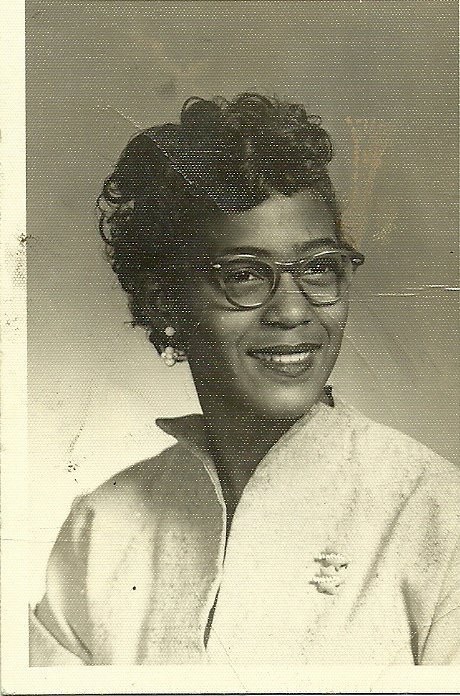
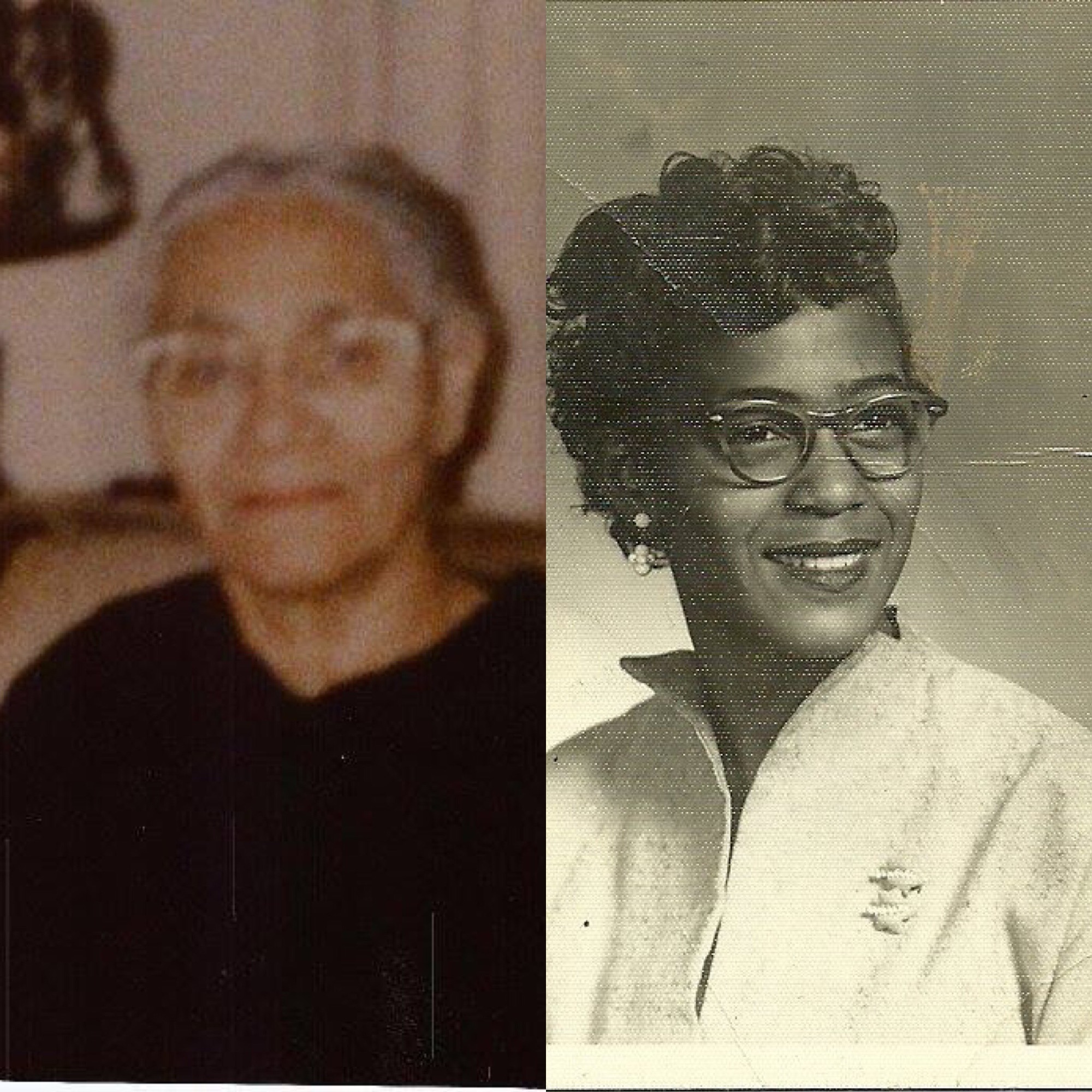
My 2nd Great Grandmother Eliza Whittaker

I’ve been thinking a lot lately about the things we inherit from our families.

Not the physical things. Not the property, the jewelry, or even the family photographs.

I’m talking about the things we carry within us.

The determination to keep going when life gets difficult. The courage to make a decision when we have no idea how things will turn out. The ability to get knocked down, gather ourselves, and somehow find the strength to try again.

For most of my life, I thought those were simply qualities I had developed through my own experiences.

I’ve lived long enough to know what it means to start over. To have plans fall apart. To make difficult decisions. To believe in something when nobody else could quite see what I saw.

I’ve had seasons when I felt strong and confident, and others when I questioned everything, including myself.

But one thing I’ve learned about myself is that even when I don’t know how I’m going to get through something, I keep moving.

Sometimes slowly. Sometimes with tears in my eyes. Sometimes with more questions than answers.

But I keep going.

And after twelve years of researching my family’s history, I’ve come to believe that perhaps this determination didn’t begin with me.

Perhaps I’ve been drawing from a well that was filled long before I was born.

Eight Generations of People Who Kept Going

When I began researching my ancestry, I was looking for names, dates, and places. I wanted to understand where my family came from and how the different branches of our history came together.

I never imagined how much I would learn about myself.

My research has taken me back eight generations, through more than two centuries of American history, into the Appalachian Mountains of Virginia and Kentucky.

I’ve discovered ancestors who lived during times I can barely imagine.

People who faced circumstances they didn’t choose, lived through enormous changes in this country, and made decisions that would affect generations they would never meet.

My fifth great-grandfather, Hawkins Bowman, was born around 1790, when the United States was still a young nation.

Think about that for a moment.

More than 230 years separate his world from mine.

He couldn’t have imagined the life I would live, the opportunities I would have, or the fact that one of his descendants would spend years searching for his story.

And yet, here I am.

Then there are the women.

Eliza. Almeda. Mary. Lucy.

Women whose lives I’ve spent years trying to understand through historical records, family stories, and the fragments of information they left behind.

I don’t know every hardship they endured. I don’t know every dream they held or every disappointment they experienced.

But I do know their lives mattered.

Their decisions mattered.

And somehow, through all the uncertainties of their times, the family continued.

Generation after generation.

Until eventually, there was me.

Resilience Doesn’t Mean Life Doesn’t Hurt

I think we’ve misunderstood resilience sometimes.

We talk about resilient people as though nothing bothers them. As though they can handle anything without getting tired, discouraged, or afraid.

But that’s not what life has taught me.

Resilience isn’t the absence of pain.

It’s discovering that pain doesn’t have to be the end of your story.

It’s getting up the morning after a disappointment and deciding you’re going to try again.

It’s rebuilding something you worked hard to create.

It’s being willing to believe that a difficult season is just that—a season, not the entirety of your life.

And sometimes resilience is recognizing that you cannot keep doing everything the same way.

You need help.

You need rest.

You need to change direction.

There is strength in those decisions, too.

I think about the women in my family and wonder how many times they had to make those choices without the freedom, resources, or support that I have today.

I wish I could sit across from them and ask what gave them the strength to continue.

I suspect their answers would teach me a great deal.

Courage Is Often Quieter Than We Think

Courage is another word I’ve come to understand differently.

When we’re young, we imagine courage as something grand. A heroic act. A moment when someone stands up against impossible odds.

But much of the courage I’ve witnessed in life has been quiet.

It’s a mother making a difficult decision because she wants something better for her children.

It’s someone leaving behind what is familiar because staying would mean giving up on themselves.

It’s speaking the truth when remaining silent would be easier.

It’s returning to school later in life.

Starting a business.

Opening your heart again after disappointment.

Or taking the first step toward a dream you’ve been carrying for years.

Courage doesn’t always come with confidence.

Sometimes you are absolutely terrified.

You just decide that what you’re moving toward matters more than the fear holding you back.

I’ve had to make that decision many times in my own life.

And I imagine some of my ancestors did, too.

Perhaps that’s one of the things we’ve been passing down without realizing it.

The willingness to take another step, even when we cannot see the entire road.

And Then There’s Persistence

Of the three, persistence may be the one I recognize most clearly in myself.

Twelve years.

That’s how long I’ve been researching my family history.

Twelve years of unanswered questions, dead ends, discoveries, and moments when I thought I had gone as far as I could go.

There were records I couldn’t find. Family connections I couldn’t explain. Stories that seemed impossible to piece together.

Sometimes I had to put the research aside and return to it months later.

But I never completely walked away.

Something kept pulling me back.

One more search.

One more telephone call.

One more document.

One more trip.

And just when I thought there was nothing left to discover, another door would open.

Recently, after my uncle passed away, documents I had been searching for over twelve years were discovered in a box in his garage.

Original birth records. Family history. Even a handwritten account of my aunt’s life, in her own words.

Think about that.

Something I had spent more than a decade trying to find had been there all along.

I couldn’t help but think about how often that happens in life.

We work toward something for years without seeing the results we hoped for. We begin to wonder whether the effort is worth it.

And then something happens that reminds us why we started.

Not every search ends with an answer. Not every dream unfolds the way we imagined.

But sometimes persistence places us in a position to recognize an opportunity we might otherwise have missed.

I’m grateful I kept searching.

What Are You Carrying?

Here’s what I want you to think about today.

What have you already survived that once seemed impossible?

What have you accomplished that you almost talked yourself out of attempting?

What dream have you been carrying that still deserves your attention?

Sometimes we’re so focused on everything we haven’t accomplished that we forget how much we’ve already overcome.

We forget the courage it took to get where we are.

We forget the difficult decisions, the sacrifices, the disappointments, and the times we had to begin again.

And we forget that someone may be watching us, learning what resilience looks like through the way we live.

I think about that as a mother.

What will my daughter remember about the way I handled life’s challenges?

Will she remember that I never struggled?

Of course not.

But I hope she remembers that I kept believing in what was possible.

That I wasn’t afraid to learn something new.

That I pursued the things that mattered to me, even when the road was difficult.

And that I understood the difference between being strong and having to carry everything alone.

Because I don’t want the next generation to inherit only our ability to endure hardship.

I want them to inherit our willingness to pursue joy, embrace opportunity, and create lives that are meaningful to them.

The Well Was Already There

One of the most profound discoveries of this twelve-year journey has been realizing that my story didn’t begin with me.

Neither did yours.

We are all connected to people who lived, loved, struggled, dreamed, and made choices long before we arrived.

Some of their experiences shaped the circumstances we were born into. Some of their beliefs and traditions found their way into our homes.

And some of the qualities we recognize in ourselves may have been nurtured across generations.

I can’t say that resilience, courage, and persistence were passed down to me in some perfect, unbroken line.

But when I look at the history of my family and reflect on my own life, I recognize a connection that means something to me.

I come from people who kept going.

And I am still going.

There are things I haven’t accomplished yet. Dreams I’m still working toward. Parts of my life that are still unfolding.

But I’ve stopped believing that I have to have everything figured out before I can appreciate how far I’ve come.

At this stage of my life, I understand something I didn’t fully appreciate when I was younger.

You can be proud of the life you’ve built and still want more for yourself.

You can be grateful and still have dreams.

You can have experienced disappointment and still believe that something wonderful is possible.

And you can begin again, as many times as you need to.

So if you’re reading this while navigating a difficult season, working toward a dream, or questioning whether you have the strength to keep going, I hope you’ll remember something.

You have already made it through days you didn’t know how you would survive.

You have learned things that only experience could teach you.

And your story is still being written.

Don’t give up on yourself simply because the journey is taking longer than you expected.

Give yourself credit for the courage it has taken to get this far.

Be willing to rest when you need to.

And when you’re ready, take the next step.

More than two centuries ago, my ancestors were living lives they could never have imagined would one day become part of a book.

They didn’t know me.

But their stories have helped me understand myself.

And perhaps that is one of the greatest gifts of knowing where we come from.

We begin to see that our lives are part of something much larger than the moment we’re standing in.

Resilience. Courage. Persistence.

Three qualities I’ve come to value through my own experiences.

Three qualities I now recognize in the history of the eight generations that came before me.

And three qualities I hope to pass along—not as a requirement to struggle, but as a reminder that whatever life brings, we have the capacity to grow, to change, and to keep becoming.

The well was already there. I’m just learning how deep it runs.


This Well Runs Deep — Coming This November

For more than twelve years, I’ve been tracing eight generations of my family’s history, uncovering stories of resilience, courage, sacrifice, and perseverance that have changed the way I understand my own life.

My forthcoming memoir, This Well Runs Deep: The Untold Legacy of an Appalachian Bloodline, is about more than discovering my ancestors. It’s about understanding what flows through a family from one generation to the next.

The book is coming this November, and I would love for you to be part of the journey.

Visit https://thiswellrunsdeep.com and join my Legacy List for book release news, personal reflections, and discoveries from my research.

My hope is that my family’s story will inspire you to become curious about your own.

Because your well runs deep, too.

You May Be Carrying a Pain That Didn’t Begin With You

How family experiences, unspoken grief, and survival patterns can influence generations—and how understanding them can help us make different choices.

By Monique Norington

Have you ever wondered why certain things affect you so deeply?

Why you struggle to trust people who have given you no reason not to?

Why you feel guilty when you rest?

Why you always feel the need to be strong, even when you’re exhausted?

Or why certain patterns seem to repeat themselves in your family, generation after generation?

Sometimes, the answers aren’t found entirely in our own experiences.

Sometimes, we have to look at the lives of the people who came before us.

You may be carrying a pain that didn’t begin with you.

And you may not even realize it.

What We Inherit Beyond DNA

The other day my daughter was taking photos of our eyes and nose to see if they matched or looked alike. It’s as if she was examining me and our features. When we think about inheritance, we usually think about physical characteristics.

Our mother’s eyes. Our father’s smile. Our grandmother’s hands.

But families pass down much more than physical traits.

We inherit beliefs about money, relationships, marriage, parenting, success, and survival.

We learn how to handle conflict by watching the adults around us.

We learn whether it’s safe to express emotions.

We learn whether love comes with conditions.

We learn what it means to be strong.

And sometimes, without anyone intending it, we learn to carry burdens that were never ours to begin with.

A grandmother who experienced poverty may have taught her children to save everything because she knew what it meant to have nothing.

A grandfather who endured discrimination may have taught his children to remain quiet, work twice as hard, and never challenge authority.

A mother who experienced abandonment may have struggled to trust others, even those who genuinely loved her.

A father who was never shown affection may have found it difficult to express love to his own children.

These responses may have helped someone survive a difficult chapter of life.

But what happens when the next generation continues living by those same rules, even when their circumstances have changed?

The Stories Our Families Never Told

One of the most fascinating parts of my twelve-year genealogy journey has been discovering how much of my family’s history was never openly discussed.

I’ve spent years searching through birth records, census documents, military records, and historical archives, tracing my ancestors through the Appalachian Mountains of Virginia and Kentucky.

I’ve uncovered stories of extraordinary resilience.

But I’ve also encountered questions.

What did my ancestors experience that they never spoke about?

What losses did they endure?

What sacrifices did they make?

What did they teach their children about surviving in a world that often treated them differently because of their race, gender, or circumstances?

And how much of that thinking continued long after they were gone?

Historical documents can tell us where someone lived, whom they married, and sometimes what they owned.

But they rarely tell us what kept that person awake at night.

They don’t tell us about the heartbreak they carried.

The dreams they abandoned.

Or the fears they passed along without ever putting them into words.

Sometimes silence becomes part of a family’s inheritance.

And when we don’t know the stories behind certain behaviors, we may mistake survival habits for personality traits.

We say things like:

“That’s just how the women in our family are.”

“The men in our family don’t talk about their feelings.”

“We’ve always had to do everything ourselves.”

“Nobody in this family trusts anybody.”

But have we ever stopped to ask why?

When Survival Becomes a Family Tradition

I think about the generations of women who came before me.

Women who lived during times when their choices were limited by circumstances, social expectations, and laws.

Some had to make difficult decisions simply to protect themselves and their children.

Others carried responsibilities that left little room for their own dreams.

Their strength deserves recognition.

But I’ve also come to understand something important.

Not every survival skill needs to become a family tradition.

Being strong does not mean we should never ask for help.

Being independent does not mean we must refuse love or support.

Protecting ourselves does not mean everyone who enters our lives is a threat.

And honoring our ancestors does not require us to repeat every pattern they lived through.

We can appreciate what helped them survive while recognizing that some of those same behaviors may no longer serve us.

That distinction matters.

Because sometimes we become so committed to being strong that we forget we are allowed to live differently.

Can Trauma Really Travel Through Generations?

My grandmother and great grandmother

Researchers and mental health professionals have studied how traumatic experiences can affect families across generations.

This is often called intergenerational trauma.

The idea is not that every painful experience is automatically passed down through DNA. The science surrounding biological and epigenetic transmission in humans is still developing.

What we do know is that family experiences can shape parenting, emotional responses, beliefs, relationships, and the environments in which children grow up.

Children learn from what they see, what they hear, and sometimes what is never explained.

A parent who grew up in an unpredictable home may become overly protective.

Someone raised around financial instability may experience anxiety about money even when their circumstances improve.

A person who rarely witnessed healthy communication may struggle to express their needs in relationships.

None of these patterns means someone is destined to repeat the past.

They simply remind us that understanding our family history can offer valuable insight into our own lives.

And insight gives us an opportunity to make different choices.

You Can Honor Your Family Without Repeating Its Pain

This may be one of the greatest lessons I’ve learned while researching my ancestry.

I can honor the women who came before me without believing I must endure everything they endured.

I can respect their sacrifices without making suffering the measure of my own strength.

I can appreciate the resilience that runs through my family while also making room for peace, joy, vulnerability, and rest.

And I can teach the next generation that love doesn’t have to look like sacrifice all the time.

Sometimes love looks like setting boundaries.

Sometimes it looks like apologizing.

Sometimes it looks like asking for help.

Sometimes it means having a conversation that previous generations were never able to have.

And sometimes healing begins with simply acknowledging that something hurt.

Understanding where a pattern began doesn’t excuse harmful behavior, but it can help us recognize what needs to change.

We don’t have to blame our ancestors to learn from them.

They were human beings doing their best with the knowledge, resources, and choices available to them.

Just as we are today.

Five Questions Worth Asking Yourself

As you think about your own family’s history, consider these questions:

  1. What beliefs about love, money, relationships, or success did I learn growing up? Do those beliefs still serve me?
  2. What emotions were acceptable in my family? Were we encouraged to express sadness, fear, and disappointment, or expected to remain strong?
  3. What patterns seem to repeat across generations? Consider relationships, communication, parenting, financial habits, and conflict.
  4. What did my parents or grandparents experience that may have influenced how they raised their children?
  5. What do I want the next generation to inherit from me—and what do I want to end with me?

You may not have all the answers.

That’s okay.

Sometimes the first step is becoming curious enough to ask the questions.

And if you have older relatives who are willing to share their experiences, talk with them.

Not to judge their choices.

But to understand the world that shaped them.

What Will We Pass On?

When I began researching my family history more than twelve years ago, I thought I was searching for ancestors.

I wanted names, dates, places, and connections.

I wanted to understand the different branches of my family and how they came together.

But somewhere along the way, my search became about something much deeper.

I began thinking about what flows through a family from one generation to the next.

Not just blood.

But faith.

Resilience.

Love.

Fear.

Silence.

Wisdom.

And sometimes pain.

My ancestors left me a history that stretches back more than two centuries. Their lives helped make mine possible.

I cannot change what they experienced.

I cannot rewrite their hardships or give them opportunities they may never have had.

But I can learn from their lives.

I can tell their stories.

And I can be intentional about what I pass on.

Because perhaps the greatest way to honor those who came before us is not simply to remember how they survived.

It’s to give the generations who follow us the opportunity to do more than survive.

To live.

To love.

To feel safe.

To experience joy.

And to know that their lives can be different.

You may be carrying a pain that didn’t begin with you.

But that doesn’t mean it has to define the rest of your story.

And it certainly doesn’t mean you have to pass it on.


This Well Runs Deep — Coming This November

For more than twelve years, I’ve been uncovering the extraordinary history of my family, tracing eight generations and more than 230 years of stories through the Appalachian Mountains of Virginia and Kentucky.

What began as a search for my ancestors became a journey of understanding the resilience, sacrifices, trauma, faith, and love that can travel through a bloodline.

My forthcoming memoir, This Well Runs Deep: The Untold Legacy of an Appalachian Bloodline, explores those discoveries and what learning about my ancestors’ lives has taught me about my own.

The book is coming this November, and I’d love for you to be part of the journey.

Visit thiswellrunsdeep.com and join my Legacy List to receive updates, behind-the-scenes stories, and the first announcement when the book is released.

Because every family has a story.

And sometimes understanding where we’ve been is the beginning of discovering where we want to go.

Happy Birthday, America. Today, Call Your Grandmother or the Elder in the family!

By Monique Norington Joseph

This Fourth of July feels different.

Like millions of Americans, I’ll watch fireworks, spend time with family, and celebrate another birthday of this remarkable nation.

But this year…

I’ll also be thinking about my fifth great-grandfather, Hawkins “Hawk” Bowman.

Hawk was born around 1790.

Just fourteen years after the signing of the Declaration of Independence.

Just three years after the United States Constitution was ratified.

Think about that for a moment.

America was still trying to figure out who she was.

The nation was young.

Hopeful.

Imperfect.

Still defining freedom.

Still wrestling with identity.

Still becoming.

And so was my family.

For the last twelve years, I’ve immersed myself in genealogy, trying to understand the people whose lives eventually made mine possible.

What began with a DNA test became thousands of hours spent reading census records, military documents, land deeds, church records, Cherokee applications, and faded family photographs.

It became phone calls with cousins I had never met.

Road trips through Appalachia.

Family reunions.

Conversations with elders.

And somewhere along the way, I realized something.

My family’s story isn’t separate from the American story.

It is the American story.

Like so many families, ours was shaped by the mountains of Appalachia, by Native homelands, by African resilience, by European settlement, by hope, hardship, perseverance, and love.

We are Appalachian.

We are Indigenous.

We are African.

We are European.

Our family, like America itself, cannot be understood through just one story.

It is many stories woven together.

For generations, my ancestors simply tried to build a life.

They raised children.

Worked the land.

Buried loved ones.

Adapted when the world around them changed.

They didn’t know someone would one day search for them.

They didn’t know their names would be spoken over two hundred years later.

They had no idea their ordinary lives would become an extraordinary legacy.

As much as I admire Hawk Bowman, this journey has taught me that our family wasn’t carried by one man.

It was carried by women.

Women like Eliza.

Almeda.

Miss Mary.

Lucy.

Women whose names rarely appeared in history books but whose strength shaped generations.

They were the keepers of recipes.

The keepers of family Bibles.

The keepers of stories.

The ones who remembered who belonged to whom.

The ones who whispered names so they wouldn’t be forgotten.

Long before there were genealogy websites…

There was Grandma.

There was Auntie.

There was a great-grandmother sitting on a front porch who knew every branch of the family tree by heart.

Today, many of those voices are still with us.

Many of us still have a grandmother.

A great-aunt.

An uncle.

An elder cousin.

Someone who remembers.

Someone whose stories have never been written down.

And yet, we wait.

We tell ourselves we’ll ask another day.

We’ll visit next month.

We’ll record those stories someday.

But someday has a way of becoming too late.

If these last twelve years have taught me anything, it is this:

Every elder is a living library.

Every family gathering is an archive.

Every conversation is history waiting to be preserved.

This Fourth of July, while we celebrate the birth of our country, I hope we also celebrate the people who built our families.

Because whether your ancestors arrived on the Mayflower…

Whether they were forced here in chains…

Whether they walked these lands long before there was a United States…

Whether they came seeking opportunity generations later…

Their blood, their sweat, their sacrifices, and their dreams helped shape this country.

Our stories belong here.

Our families belong here.

We belong here.

America’s story is not complete without all of us.

So today…

Before the fireworks begin…

Call your grandmother.

Visit your great-aunt.

Sit beside your grandfather.

Ask your uncle where your family came from.

Write down the names.

Record the stories.

Save the photographs.

Because one day, someone in your family will want to know.

Maybe it will be your daughter.

Maybe your grandson.

Maybe someone not yet born.

And they will thank you for preserving what could have been lost.

As I prepare to release This Well Runs Deep later this summer, I’ve come to understand that genealogy isn’t really about looking backward.

It’s about making sure the generations ahead know whose shoulders they stand on.

So today, I celebrate America.

But even more than that…

I celebrate the ordinary families who built extraordinary lives alongside a young nation.

Happy Birthday, America.

And to Hawk Bowman…

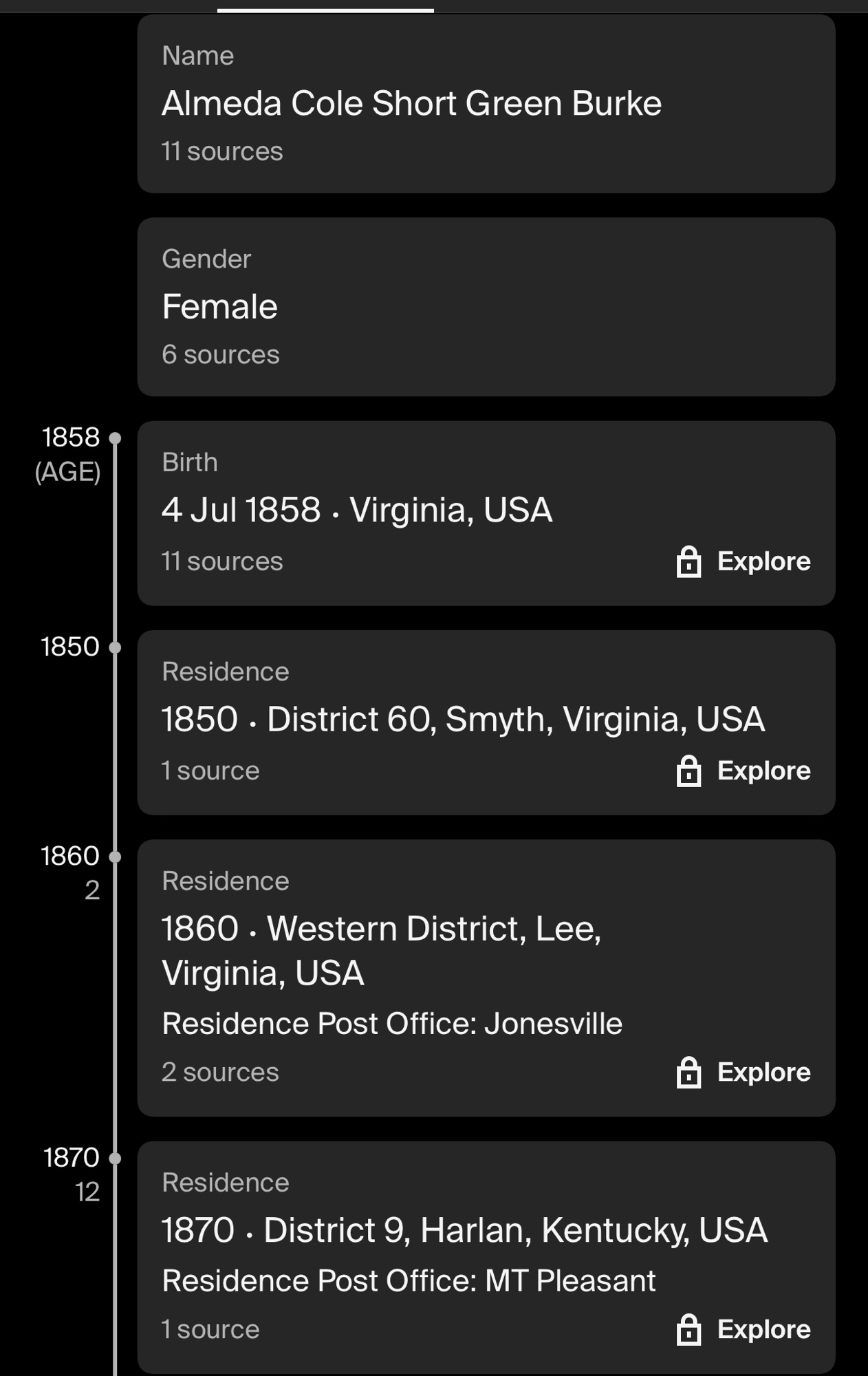
To Almeda Cole…

To Eliza…

To Lucy…

And to every ancestor whose courage became someone else’s beginning—

Thank you.

Your well still runs deep.

What Travels Through a Bloodline?

By Monique Norington Joseph

When I first began researching my family history, I thought I was searching for names.

Birth certificates.

Marriage licenses.

Census records.

DNA matches.

I believed that if I could simply trace my family back far enough, I would finally understand where I came from.

And in many ways, I did.

But somewhere along the journey, I realized I had been asking the wrong question.

The real question wasn’t…

Who was in my bloodline?

It was…

What has traveled through my bloodline?

Because a family passes down so much more than DNA.


We inherit eye color.

Hair texture.

The shape of our smile.

The sound of our laugh.

But we also inherit things we cannot see.

Resilience.

Fear.

Silence.

Faith.

Creativity.

The instinct to protect.

The courage to keep going when life demands more than we think we have to give.

These things don’t show up on a DNA test.

Yet somehow, they continue moving from one generation to the next.


As I researched the women in my family, I began to notice patterns.

Not just in names.

In lives.

Women who became mothers at young ages.

Women who buried loved ones and kept going.

Women who crossed mountains in search of opportunity.

Women who rebuilt after loss.

Women who learned how to survive systems that weren’t built for them.

Generation after generation, I saw the same determination.

The same quiet strength.

The same refusal to give up.

And I couldn’t help but wonder…

Was I watching history?

Or was I seeing something that had been passed down?


Then I looked at myself.

I have spent my life building community.

Advocating for mothers.

Helping families tell their stories.

Creating spaces where people feel seen.

I’ve always believed I chose this work.

Now I wonder…

Or did it choose me?

Did I inherit more than my grandmother’s eyes?

Did I inherit her compassion?

Her perseverance?

Her ability to carry people while carrying herself?

Perhaps what I call purpose…

Is also inheritance.


Of course, not everything that travels through a bloodline is beautiful.

Some families pass down unspoken pain.

Patterns of abandonment.

Financial hardship.

Generational trauma.

Silence around difficult subjects.

Fear of vulnerability.

The belief that love must be earned instead of freely given.

These inheritances can shape generations just as powerfully as love can.

The difference is this:

Once we recognize them…

We have the opportunity to choose what continues.


That realization changed everything for me as a mother.

Because I began asking a different question.

Not simply…

What did I inherit?

But…

What will my daughter inherit from me?

Will she inherit anxiety?

Or confidence?

Will she inherit fear?

Or faith?

Will she inherit survival?

Or the freedom to thrive?

Every decision I make today becomes part of her story tomorrow.

That is both humbling and empowering.


Researching my ancestry has taught me that legacy is not just something we leave behind when we’re gone.

We are creating it every single day.

In the conversations we have.

In the values we model.

In the apologies we choose to make.

In the forgiveness we choose to extend.

In the traditions we keep alive.

And in the cycles we finally decide to break.


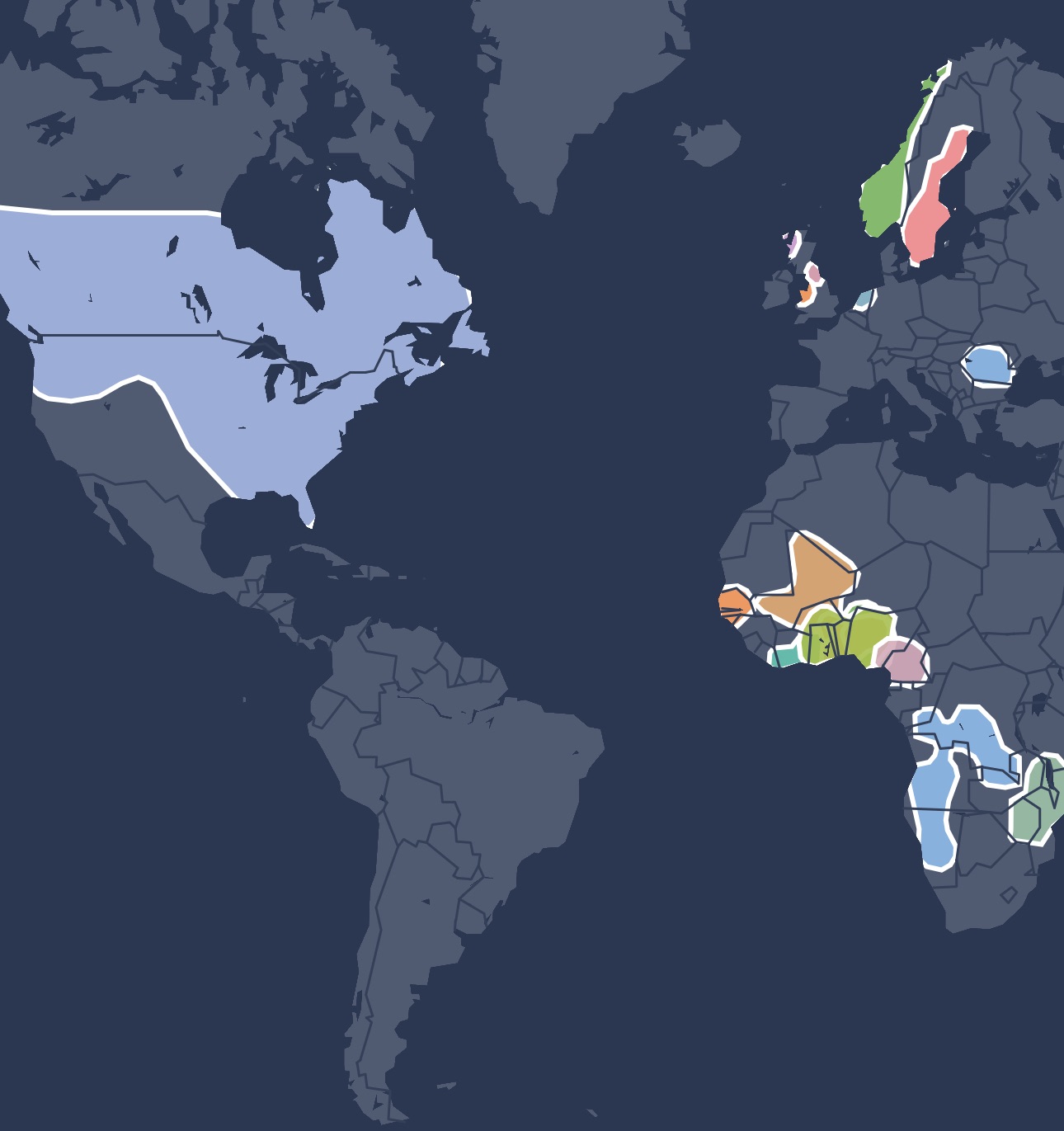
My DNA connected me to places.

To Appalachia.

To Africa.

To Europe.

To Native ancestry.

But my family taught me something even greater.

That identity isn’t only about where your ancestors lived.

It’s also about what they carried.

And what they handed to you.


As I continue writing This Well Runs Deep, I realize the book has never really been about genealogy.

It’s about inheritance.

Not just the inheritance of blood.

But the inheritance of character.

Of resilience.

Of hope.

Of memory.

Of love.

Because in the end…

A bloodline is more than biology.

It is the invisible thread that carries our stories, our strengths, our wounds, and our dreams from one generation to the next.

The question isn’t simply where you come from.

The question is…

What has been entrusted to you?

And perhaps even more importantly…

What will continue because of you?

DNA vs Identity

DNA gave me percentages.

But it didn’t give me the full story.

It showed me African ancestry.

European lineage.

Native roots.

But what it couldn’t show me…

was how those identities were lived.

How they were navigated.

How they were protected.

That part…

came through the journey.

The Women Who Kept Our Stories Alive

By Monique Norington Joseph

There is something I’ve come to understand through years of researching my family history.

Most families are remembered through the names of men.

Family trees often begin with fathers, grandfathers, military service, land ownership, wills, and deeds. History tends to preserve the people who signed documents, owned property, or held positions of power.

But in my family…

It was the women who carried the story.

Not because they had the most written about them.

Because they refused to let our family disappear.

As I traced my lineage back through generations, I found myself returning to the same women over and over again.

Women who raised children through impossible circumstances.

Women who buried loved ones and kept moving.

Women who crossed mountains, counties, and state lines in search of a better life.

Women who adapted when the world changed around them.

Women who protected their children when history offered them very little protection.

They may not have written books.

Most didn’t leave journals.

Some couldn’t even read or write.

Yet somehow…

They preserved everything that mattered.

They kept recipes alive.

They remembered who belonged to whom.

They knew which cemetery held the family.

They could recite names that never appeared in official records.

They remembered stories no census ever captured.

They carried history in conversations around kitchen tables, on front porches, in church pews, and during long Sunday dinners.

Long before there was Ancestry.com…

There was Grandma.

There was Auntie.

There was Miss Mary.

There was Lucy.

There were the women who could point to an old photograph and tell you everyone’s name before you even asked.

Those women became our archives.


As I’ve written This Well Runs Deep, I’ve thought often about the responsibility they carried.

Many of them lived during times when their identities were constantly being defined by someone else.

One census called them Black.

Another called them Indian.

Another recorded them as Mulatto.

Sometimes White.

The records changed.

The women did not.

They knew who their mothers were.

They knew where they came from.

They knew the stories behind the names.

Even when history didn’t.


I’ve often wondered what would have happened if they had stopped telling the stories.

If they hadn’t remembered.

If they hadn’t repeated the names.

If they hadn’t gathered the family together.

Would I have ever found my way back?

Would I know who Almeda Cole was?

Would I know about Eliza?

Miss Mary?

Lucy?

Or would they have simply become names buried beneath generations of forgotten history?


The older I become, the more I realize that every family has women like this.

Women who quietly hold everyone together.

The ones who organize reunions.

The ones who call everyone on birthdays.

The ones who remember the family Bible.

The ones who save photographs in old boxes.

The ones who insist that children know where they come from.

Often, they don’t receive recognition.

They simply keep doing the work.

Generation after generation.


Today, I understand something I didn’t understand when I began this journey.

Genealogy isn’t only about finding records.

It’s about honoring the people who made sure those records meant something.

Because a birth certificate cannot tell you how someone laughed.

A census cannot explain sacrifice.

A marriage license cannot describe unconditional love.

Only family can do that.

Only storytellers can do that.

And in so many families…

Those storytellers are women.


As I prepare to share my family’s story with the world, I realize I have become part of that lineage.

I am doing what the women before me did.

I am gathering names.

Preserving photographs.

Asking questions.

Recording stories before they disappear.

Not because I want to live in the past…

But because I believe every generation deserves to know the shoulders they stand upon.


Perhaps that is our greatest inheritance.

Not the land.

Not the heirlooms.

Not even our DNA.

But the stories.

The stories that teach us who we are.

The stories that remind us where we’ve been.

The stories that help us understand where we’re going.

Those stories survived because women carried them.

Now…

It’s our turn.


“This Well Runs Deep is more than a journey into my family’s past. It is a tribute to the women whose memories became our history, whose resilience became our inheritance, and whose stories continue to flow through every generation that follows.”

What Records Don’t Tell You

I thought records would give me answers.

Instead…

they gave me more questions.

Names didn’t always match.

Ages shifted.

Identities changed from one decade to the next.

Black.

Mulatto.

Indian.

White.

The same people.

Different labels.

At first, it felt like confusion.

Now I understand it as something else.

Survival.

Because records don’t tell you who people were.

They tell you how they were seen.

And sometimes…

those are two very different things.

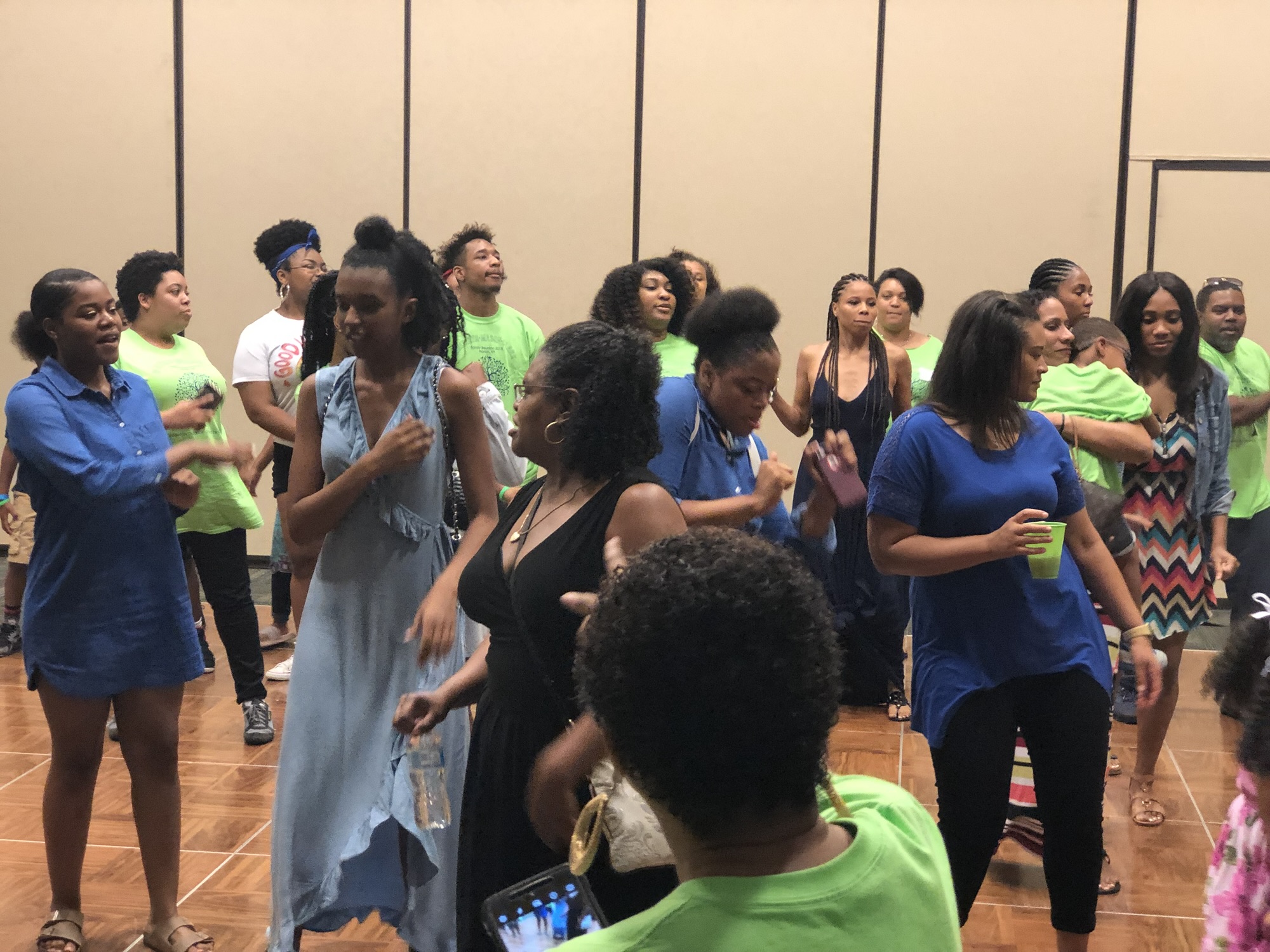
The First Family Reunion

I packed my bags without knowing a single person. Someone I knew I needed to do this

I walked into a room full of people I had never met…

and somehow, I wasn’t a stranger.

I remember looking around, trying to take it all in.

Faces that resembled mine.

Mannerisms that felt familiar.

Laughter that sounded like something I had heard before.

It was overwhelming in the most beautiful way.

Because how do you explain that?

How do you explain feeling like you belong somewhere…

you’ve never been?

That day wasn’t just about meeting family.

It was about seeing myself reflected in ways I never had before.

It was about understanding that my story didn’t start with me.

It was about realizing…

I come from something.

And that something has always been there—

waiting for me to find it.

Back in 2019, I wrote about a journey I didn’t fully understand yet.

I thought I was just taking a DNA test.

Something simple.

Something curious.

Something that might give me a few answers.

What I didn’t realize then…

was that I wasn’t opening a report.

I was opening a door.

A door that would lead to family I didn’t know, stories I hadn’t heard, and a deeper understanding of who I am and where I come from.

At the time, I described it as something that left an imprint on my life.

Now I know…

It didn’t just leave an imprint.

It reshaped me.

This journey didn’t come with a roadmap.

It came with questions.

With emotions I didn’t expect.

With connections that didn’t make sense—until they did.

And looking back now, I can see clearly:

That moment in 2014 wasn’t just the beginning of research.

It was the beginning of remembrance.

Of uncovering.

Of returning to something that had always been mine…

even before I had the language for it.

And if I could tell my 2019 self anything, it would be this:

You’re not just discovering your roots.

You’re discovering yourself.

A journey of 11 years

What started with a simple DNA test has led to massive discoveries, family reunions, lost parents, grandparents and a soon to be traveling documentary in the making.

I didn’t know what I signed up for when I took this Ancestry dna test , but oh boy has it left an indelible imprint on my life.

This journey began in 2014 when I first took my DNA test. 4 years later A long lost cousin by the name of Warin reached out to me and asked about my great grandmother. I knew right away, that was my family.

I immediately began to cry. Could this really be my grandmothers family I had been searching for . See I grew up not knowing anything about my family line. By the time I reached 18, literally all the elders in the family were deceased. this left a void and many unanswered questions. I spent most of my adult life on a quest to find answers. Taking the DNA test was the first step in this journey that would lead to many answers.

Without hesitation, I registered for that family reunion and started sharing with them all of the research I had been collecting over the past 4 years.

My dream of meet family was beginning. And it began with an invite to my ancestral home in Harlan Kentucky to meet over 100 family members. Talk about blast from the past… my world was changing.

More to come about the reunion.